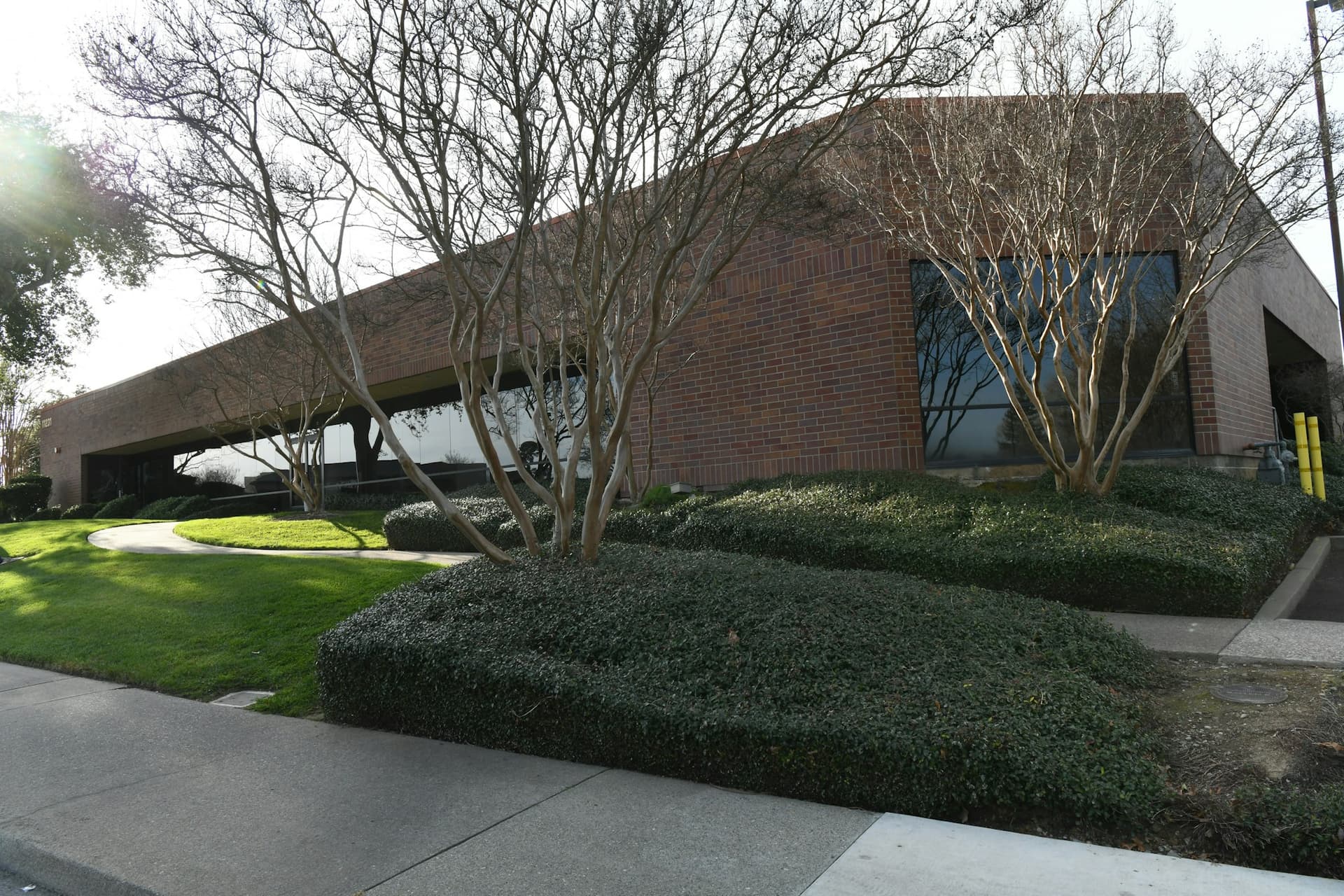
Single-story brick office building with mature trees and a landscaped lawn
Management · Oversight · Vendors · Planning

Commercial property oversight on behalf of ownership.

MPS provides oversight of the physical operation of the property: inspecting conditions, planning maintenance and capital needs, managing vendors, coordinating work and keeping ownership informed through one accountable relationship.

Property oversight

One party responsible for understanding the condition of the asset and what it needs, on a defined cadence.

Vendor management

Scopes, proposals, scheduling, verification and documentation across every service provider at the property.

Maintenance planning

A forward view of recurring services, repairs and capital items so ownership budgets ahead instead of reacting.

01 · Property oversight & asset stewardship

One accountable contact for property operations.

Ownership should not have to be the only party who understands the property. MPS inspects on a defined cadence, tracks conditions over time, coordinates response when something needs attention and reports to ownership in plain terms.

Oversight is the foundation of everything else MPS does. It is what allows maintenance to be planned rather than reacted to, and what gives vendor decisions a basis in documented conditions rather than a phone call.

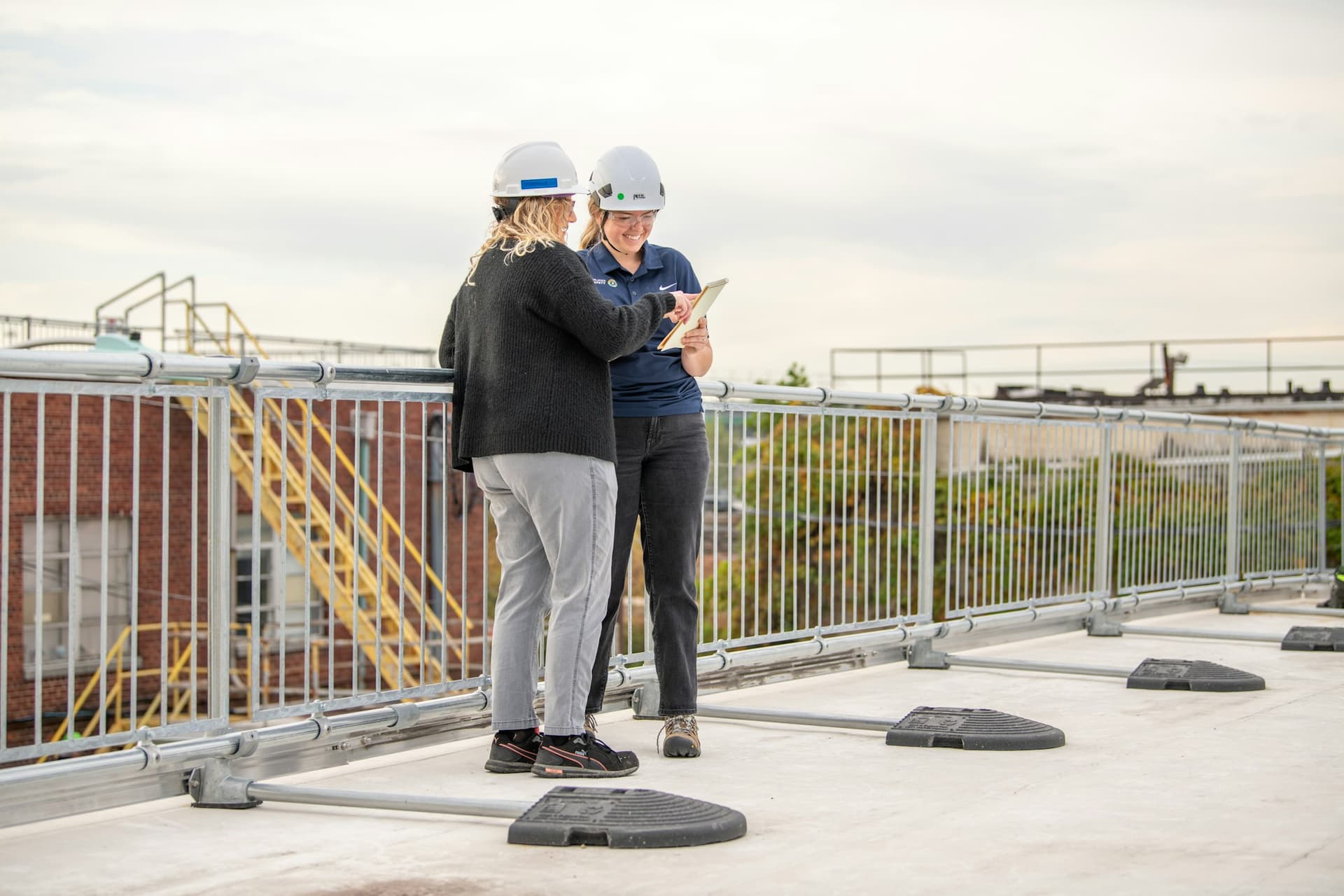
Two people reviewing information on a tablet outside a glass office building

Capabilities

  • Routine property inspections
  • Property condition oversight and tracking
  • Owner reporting
  • Work-order coordination
  • Emergency vendor-response coordination
  • Contract and service tracking
  • Documentation and records
  • Transition into recurring oversight after a project
02 · Vendor management

One point of accountability across your service providers.

A commercial property depends on a network of vendors, and hiring them individually leaves ownership managing all of them. MPS identifies what the property requires, develops the scope, solicits and compares proposals, coordinates the selected contractor and verifies the result.

MPS does not self-perform every trade and does not claim to. We coordinate qualified service providers where appropriate and identify in every proposal which work MPS performs and which is assigned to specialty contractors. Ownership maintains visibility into scopes, proposals and authorized work throughout.

Vendor categories coordinated

  • Grounds
  • Snow & Ice
  • Cleaning
  • Waste
  • Pest Control
  • HVAC
  • Plumbing
  • Electrical
  • Roofing
  • Doors & Hardware
  • Security
  • Pressure Washing
  • Window Cleaning
  • Asphalt
  • Concrete
  • Signage
  • Lighting
  • Specialty Trades
Two people reviewing documents on a commercial building rooftop

How MPS manages vendors

  • Identify requirements
  • Develop scopes
  • Solicit proposals
  • Compare vendor bids like-for-like
  • Coordinate selected contractors
  • Schedule work and site access
  • Monitor execution
  • Verify completion
  • Organize documentation
  • Report results to ownership
03 · Maintenance planning

Plan the property, not just the next work order.

Reactive maintenance is the most expensive kind. MPS organizes recurring services, known repairs and upcoming capital items into a maintenance plan ownership can budget against, then manages the plan through the year.

The plan gives every vendor decision context. It separates what needs attention now from what can be scheduled, identifies preventive work that avoids emergency spend, and gives ownership a clear view of what the property will need next.

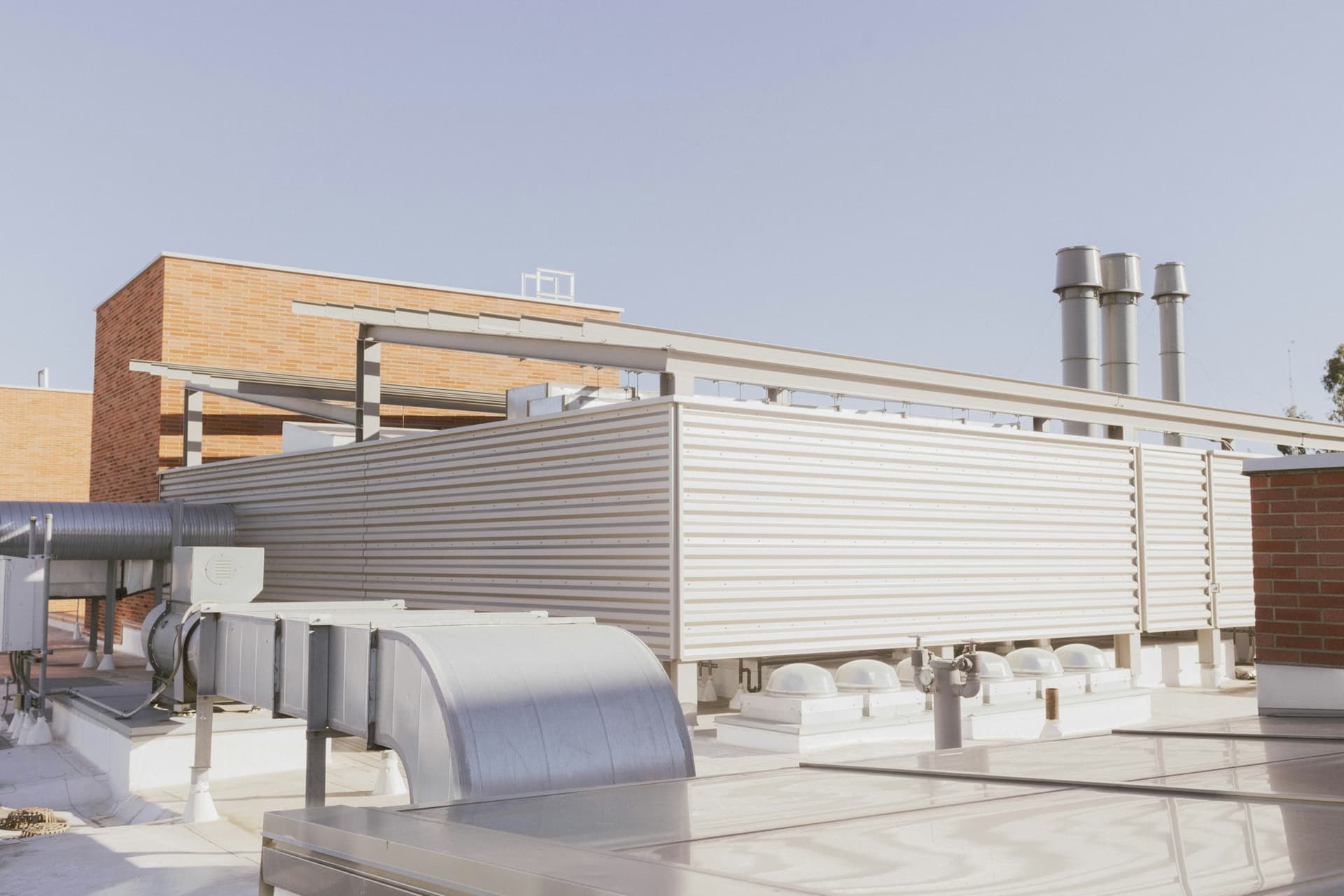
Rooftop mechanical equipment and ductwork on a commercial building

Capabilities

  • Annual maintenance planning
  • Preventive maintenance coordination
  • Operating-budget support
  • Capital needs identification
  • Seasonal service scheduling
  • Deferred-maintenance prioritization
  • Service-agreement and renewal tracking
  • Spend tracking against plan
The operating system

Seven stages. Every engagement.

The same process runs whether MPS is overseeing a property year-round or coordinating a single repair. That consistency is what makes results verifiable and reporting reliable.

  1. Inspect

    Walk the property on a defined cadence. Document conditions, safety concerns, deferred items and emerging issues.

  2. Plan

    Translate conditions into priorities. Separate what needs attention now, what can be scheduled and what should be monitored.

  3. Budget

    Organize recurring services, repairs and capital items into an operating view ownership can plan and approve against.

  4. Procure

    Develop scopes, solicit proposals from qualified vendors and compare pricing on a like-for-like basis.

  5. Coordinate

    Schedule approved work, manage site access and keep contractors, tenants and ownership aligned.

  6. Verify

    Confirm work was completed to scope. Document the result before invoices are approved.

  7. Report

    Keep ownership informed with clear updates on conditions, spend, completed work and what comes next.

How an engagement works

Ongoing property oversight through a defined relationship.

Scope, inspection cadence, reporting format and approval thresholds are agreed before the engagement starts. Ownership decides how much authority MPS carries day to day.

Ongoing management

Oversight, planning & reporting

Agreed property oversight, maintenance planning, vendor coordination and reporting on a defined cadence.

Transparent procurement

Visibility into every scope

Ownership sees scopes, proposals and authorized work. Vendors are selected on defined criteria, not convenience.

Projects & improvements

Separately scoped and managed

Larger repairs and capital projects are scoped, budgeted and approved individually, then managed to closeout.

Engagements can also begin with a single project or a defined scope of work. A relationship can start there and move into recurring oversight.

Who this is for

Owners and the professionals who represent them.

Owners & Investors

A single accountable party for the property, with operating-cost visibility and a plan for what comes next.

Asset & Property Managers

Local inspections, vendor coordination and documented execution at properties managed from a distance.

Out-of-Area Ownership

Eyes on the property, a consistent reporting cadence and someone to call when something changes.

Community Associations

Vendor management, budgeting support and documentation structured for board review.

Common questions

Property oversight questions

What is included in ongoing property oversight?

A defined inspection cadence, condition documentation, a prioritized maintenance plan, coordination of recurring vendors, procurement of repairs within agreed authority, verification of completed work and regular reporting to ownership. The exact scope, cadence and approval thresholds are agreed in the engagement.

How is vendor management different from just hiring contractors?

Hiring a contractor gets one scope done. Vendor management makes someone accountable for the whole: defining what the property actually needs, writing a clear scope, obtaining comparable proposals, selecting and scheduling the vendor, confirming the work was completed and keeping records ownership can rely on.

Does ownership still approve spending?

Yes. Ownership maintains visibility into scopes, proposals and authorized work. Approval thresholds and reporting requirements are set in the engagement so ownership decides how much authority MPS carries day to day.

Can MPS work with our existing vendors?

Yes. MPS can coordinate vendors ownership already has in place, evaluate them against a defined scope and recommend changes only where performance or pricing supports it.

Do you support properties that already have a property manager?

Yes. Asset and property managers often engage MPS for local execution: inspections, vendor coordination, project oversight and documented reporting at properties they manage from a distance.

Does MPS handle leasing, tenant relations or accounting?

MPS focuses on the physical operation of the property: condition, maintenance, vendors and projects. Leasing, brokerage and financial management are outside our current scope.

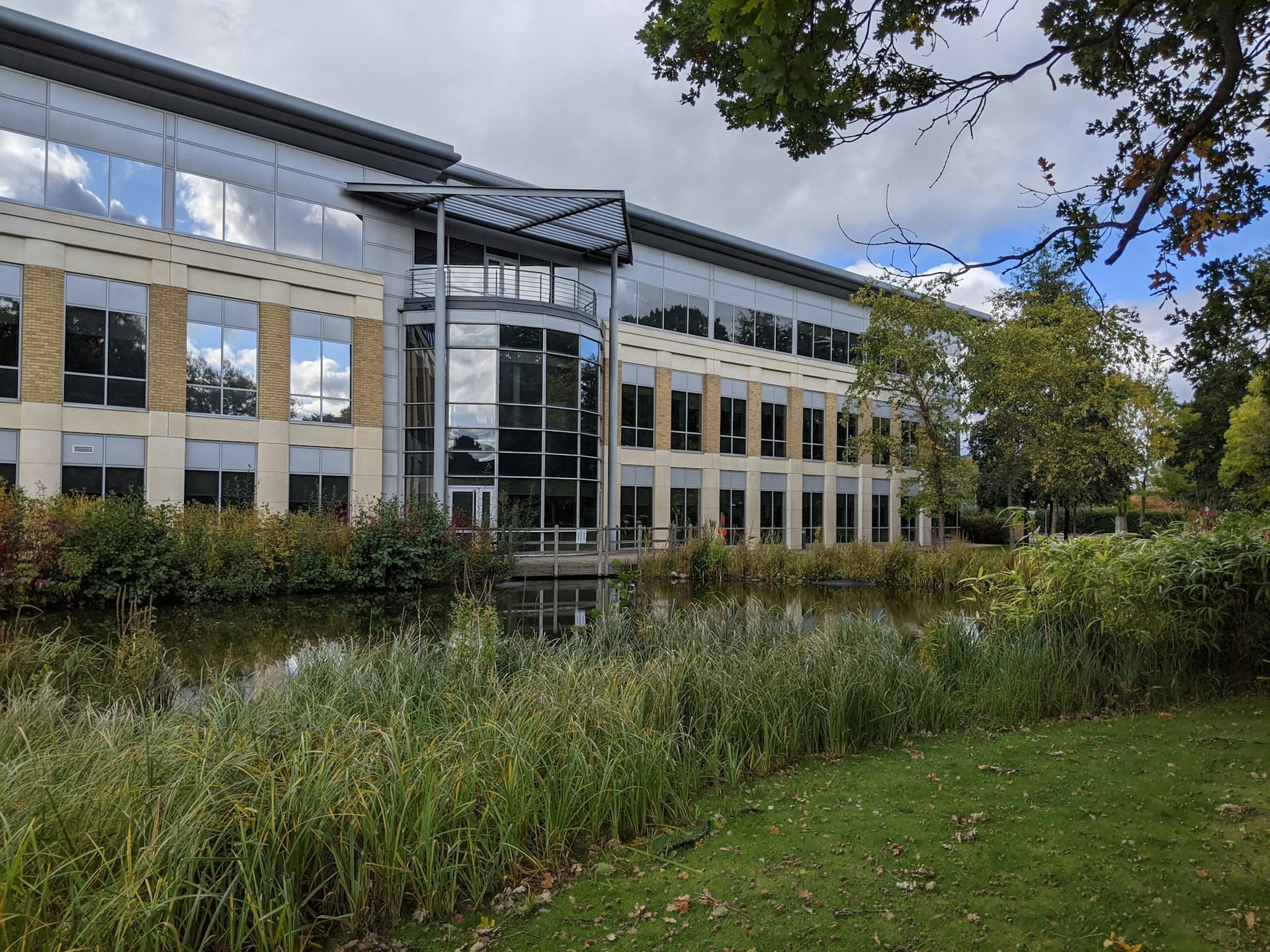
Suburban office building beside a landscaped lawn
Start with an assessment

Let us walk the property.

We document current conditions, identify immediate concerns and longer-term needs, and return a written recommendation. From there ownership chooses the scope.

Call or text586-557-0083
Request Assessment